Canadian AgTech · AI · Robotics
Precision agriculture.
Without the chemicals.
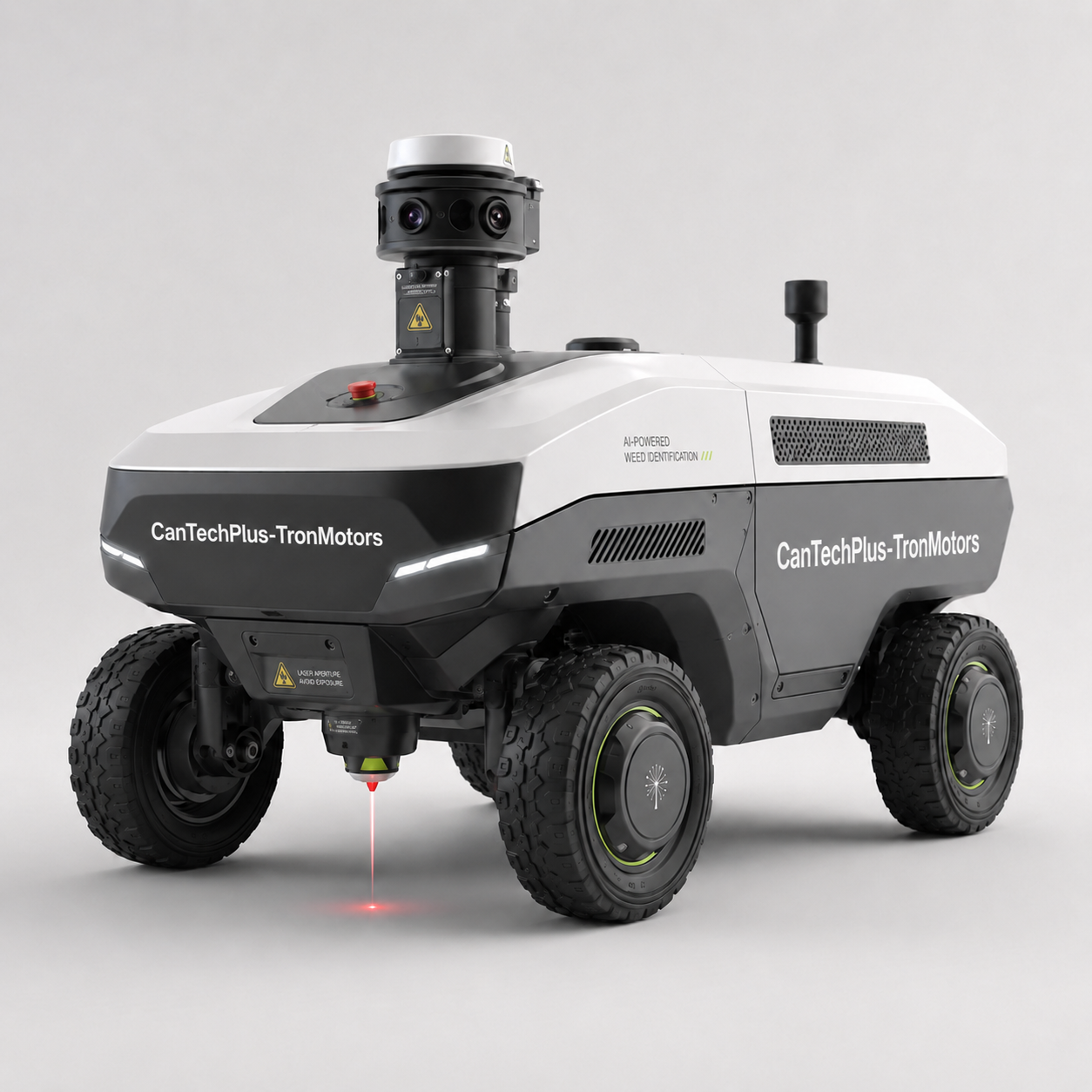
CanTechPlus combines artificial intelligence, computer vision and precision laser technology to identify and treat unwanted weeds with extraordinary accuracy — while protecting crops, soil and surrounding ecosystems.
The opportunity
Modernfarmingdeservesamoreprecisesolution.
Conventional blanket treatment applies the same input to the entire area — the crop, the soil between rows and everything living around it. Precision technology makes a narrower, more deliberate approach possible.
Field reality
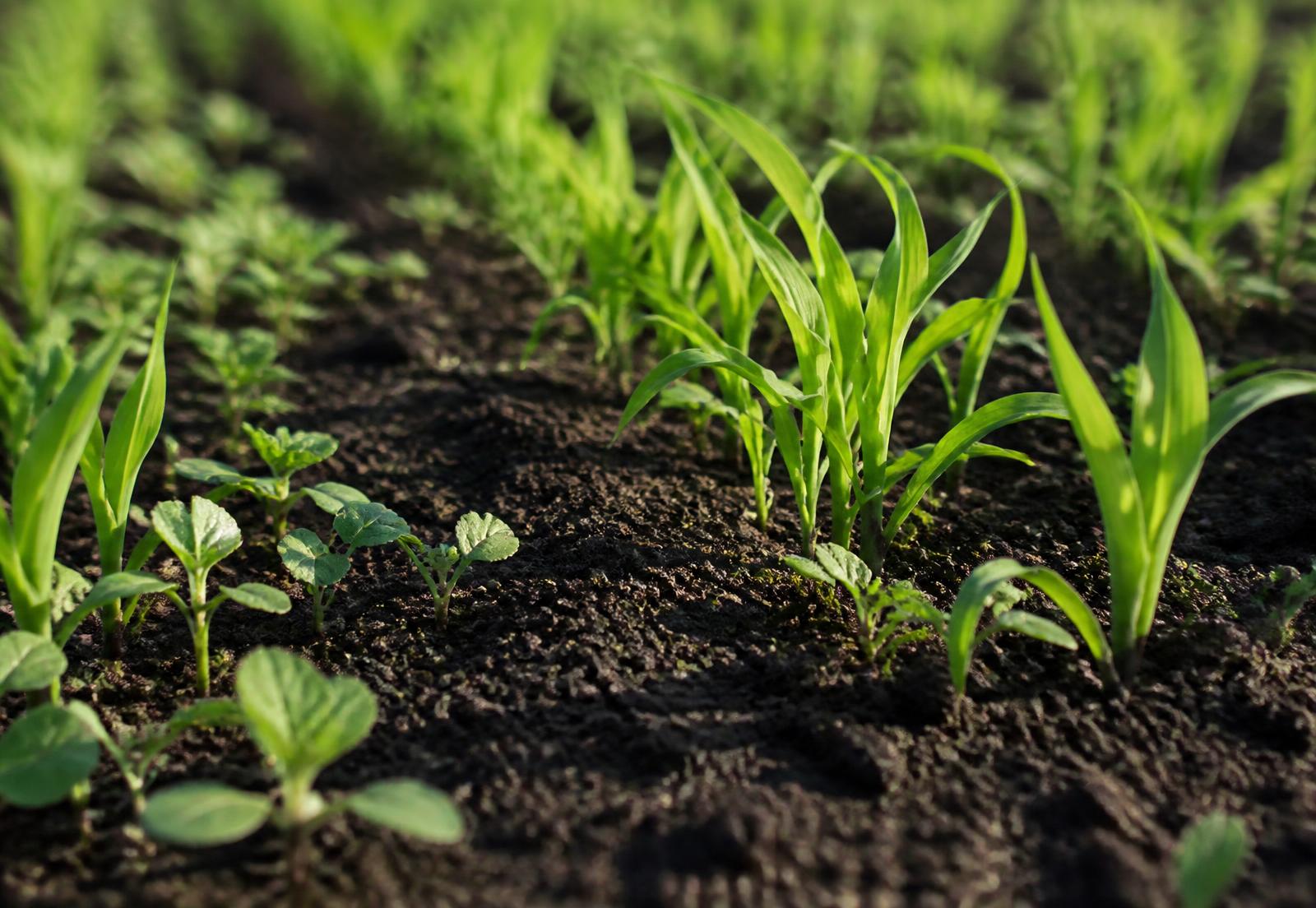
Crops and weeds share the same row, the same light and the same soil.
Traditional approach
Treat the entire area
Everything inside the boundary receives treatment, whether it needs it or not.
CanTechPlus approach
Identify. Target. Treat only what is necessary.
Only recognised targets are treated. Surrounding vegetation is left untouched.
How it works
Seetheweed.Targettheweed.Protecteverythingelse.
Four stages run in a continuous loop, many times per second, as the platform moves through the field.
- 01
See
Computer vision scans the agricultural environment continuously as the platform moves through the field.
- 02
Understand
Machine learning distinguishes crops, weeds and other agricultural targets frame by frame.
- 03
Target
Precision targeting calculates the correct treatment point for each recognised target.
- 04
Treat
Precision laser energy is delivered to the selected target while surrounding vegetation remains untouched.
The platform
Agriculture.
Precisely redefined.
01 / 05
Vision
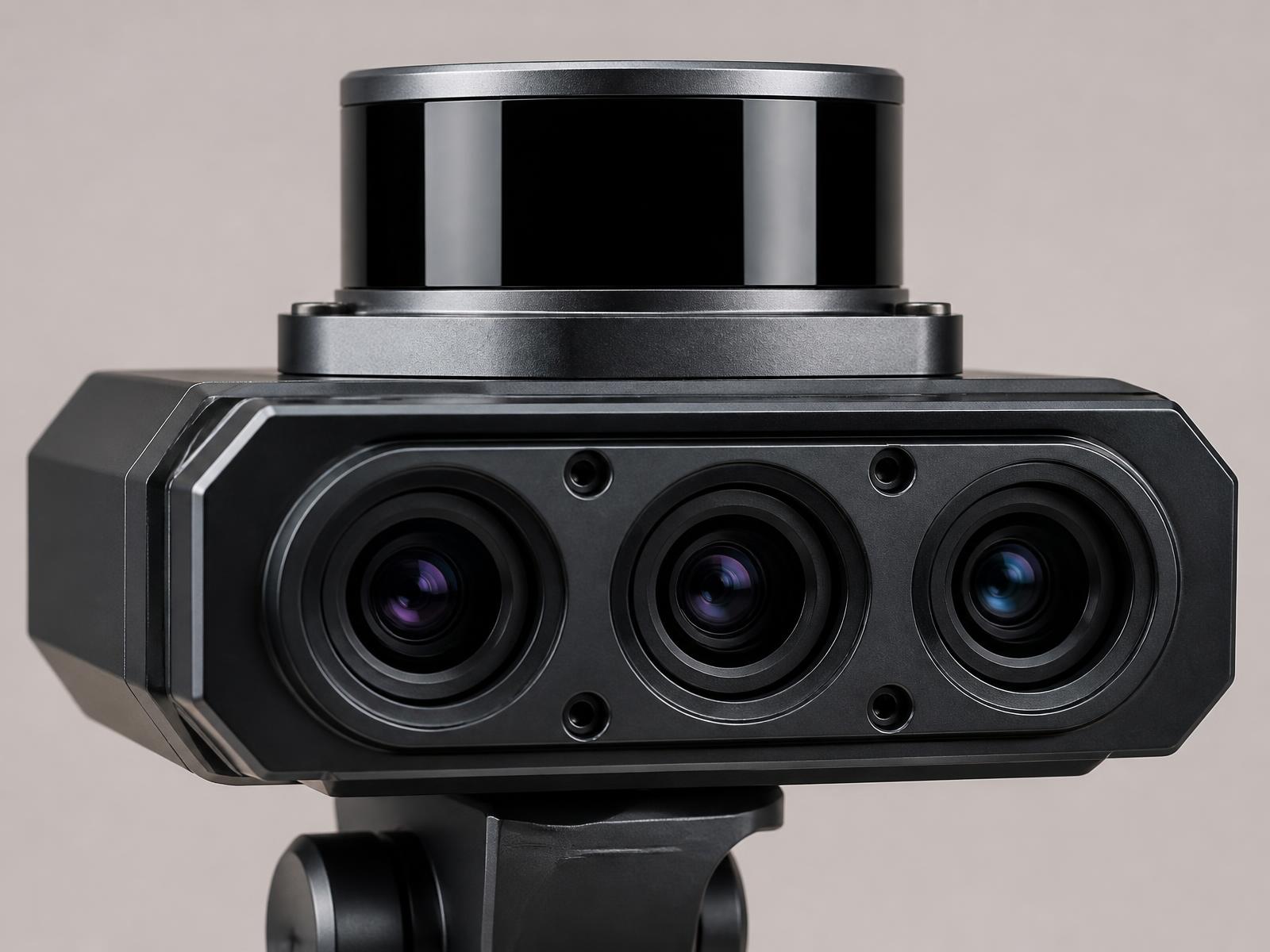
A multi-camera sensor tower observes the row ahead, capturing the scene the models reason about.
Core technology
Anengineeringstackbuiltaroundonedecision:treat,ordon’t.
AI Model Training
Custom machine-learning models trained around agricultural recognition challenges.
Computer Vision
Real-time visual identification of crops, weeds and relevant agricultural targets.
Object Detection
Selective recognition designed to distinguish wanted vegetation from unwanted targets.
Edge Intelligence
Fast processing close to the agricultural environment.
Precision Laser Control
Focused treatment of specific targets instead of blanket application.
Multi-Sensor Fusion
Combining visual, depth, thermal or other sensor inputs when supported by the system.
System architecture
Insidetheintelligenceloop.
Each module hands a more specific decision to the next, until only a single target coordinate remains.
- 01
Field
Crop rows, soil, light
- 02
Sensors
Cameras, depth, environment
- 03
AI
On-board inference
- 04
Recognition
Crop vs. weed
- 05
Targeting
Treatment coordinate
- 06
Treatment
Precision laser
Target accuracy rate
0.0%
The target accuracy rate reported for the CanTechPlus recognition and targeting system.
Chemical contamination
0%
Chemical-free targeting: treatment is delivered as focused laser energy, not as a chemical application.
Approach
Selective
by design
Specifications and performance may vary depending on application, crop and deployment conditions.
Precision comparison
Treatthetarget.Nottheentirefield.
Drag to compare a blanket treatment boundary with AI-guided selective targeting.
AI vision
Whatthemachinesees.
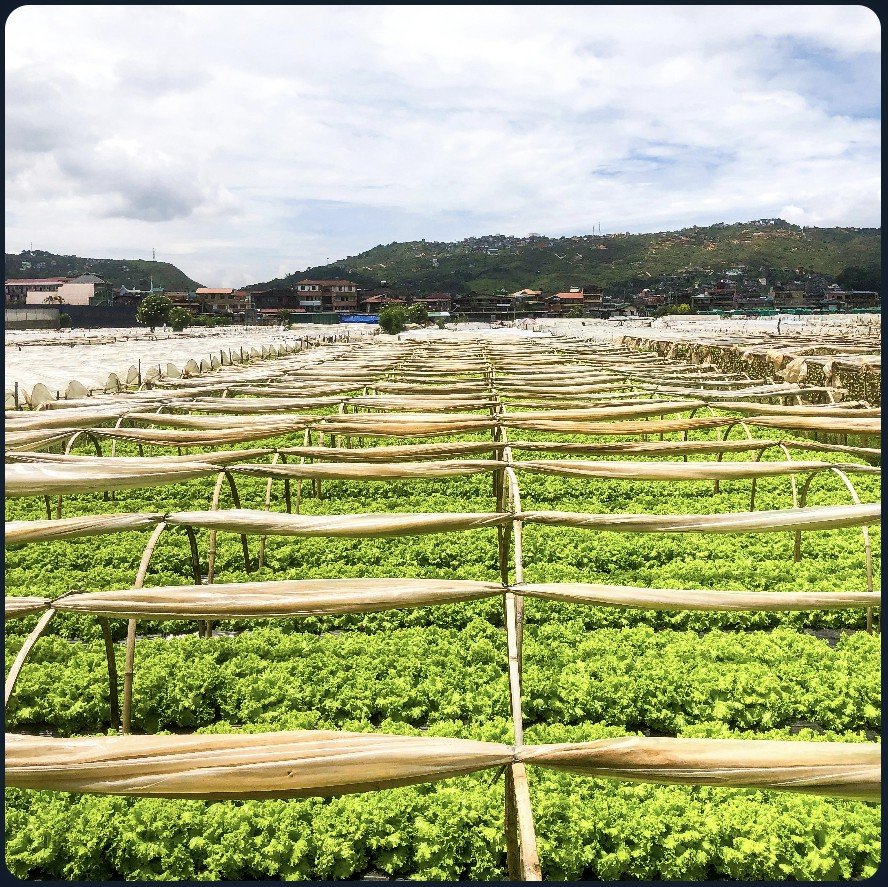
Toggle the perception layer to view classification, confidence and target coordinates on a real crop scene.
Illustrative visualisation of the perception concept. Detection output varies with crop, weed species, lighting and field conditions.
Sensing & intelligence
It doesn’t just look.
It understands.
- 01
Visual sensing
- 02
Depth perception
- 03
Environment analysis
- 04
Object recognition
- 05
AI processing
- 06
Target calculation
Sustainability
Betterprecisioncanmeanalighterfootprint.
Technology that works with nature: protect agricultural productivity while reducing the environmental burden associated with conventional pest-management methods.
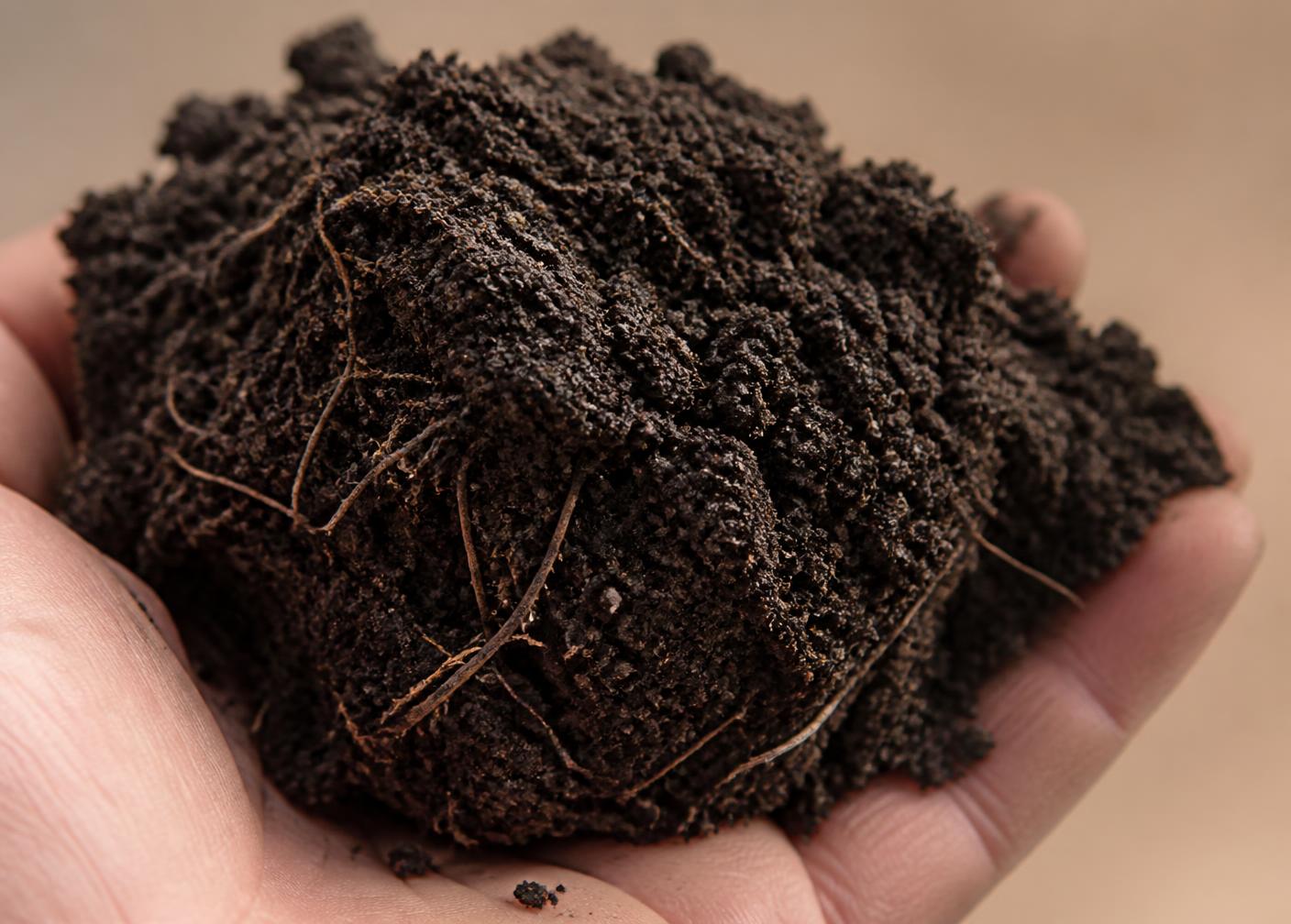
Water Protection
Reducing reliance on chemical treatments helps limit chemical runoff.
Soil Preservation
Precision treatment supports strategies designed to protect soil ecosystems.
Selective Treatment
Only identified targets are treated.
Reduced Chemical Dependency
Technology designed around physical precision rather than blanket application.
Precision over saturation — a measured way to think about crop protection.
Sustainability
Field applications
Whereprecisionearnsitsplace.
Focus areas and research directions for the CanTechPlus platform. Suitability is assessed per crop, site and deployment.
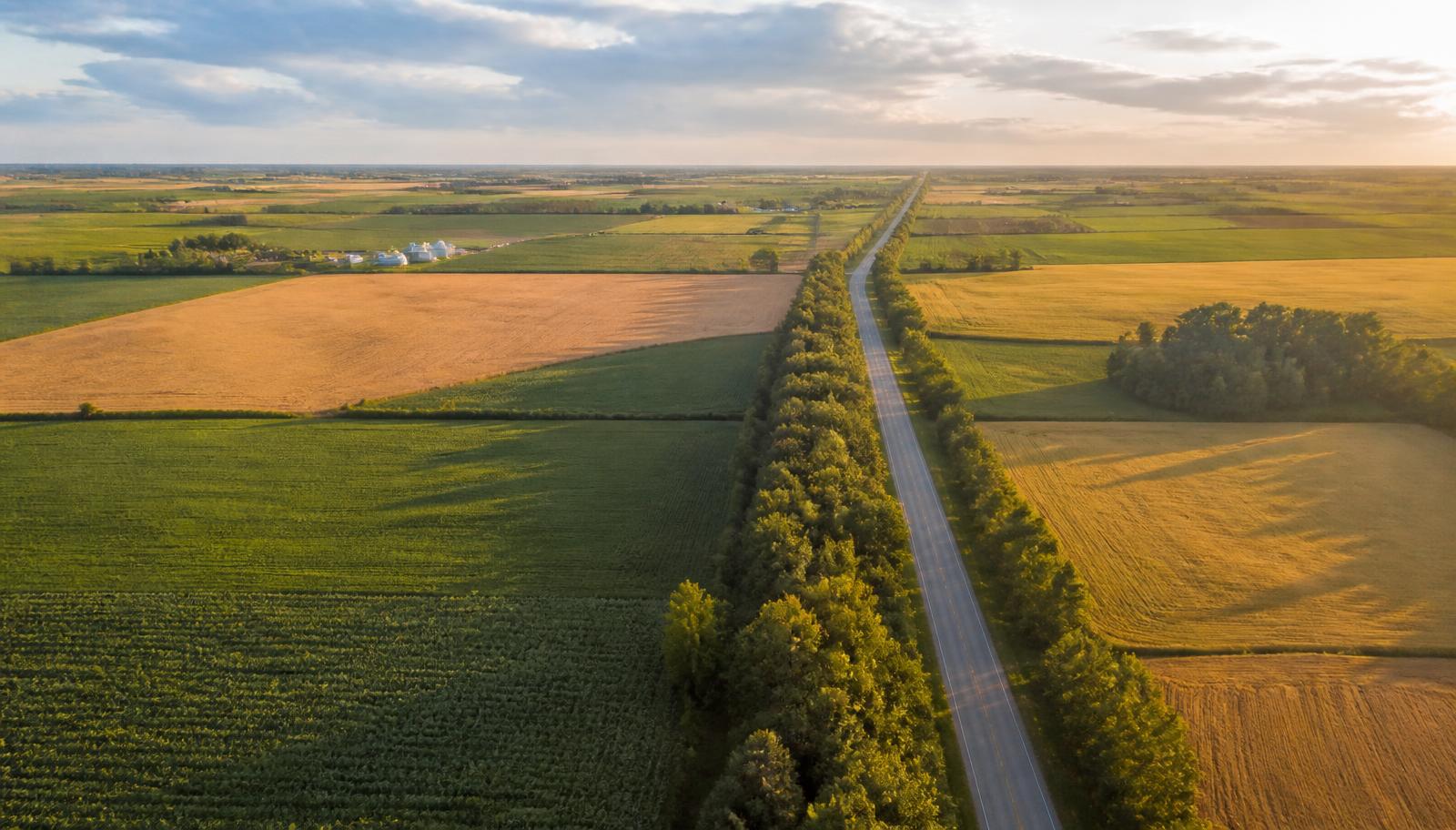
Crop fields
Open-field row crops where weeds and crops share the same ground.
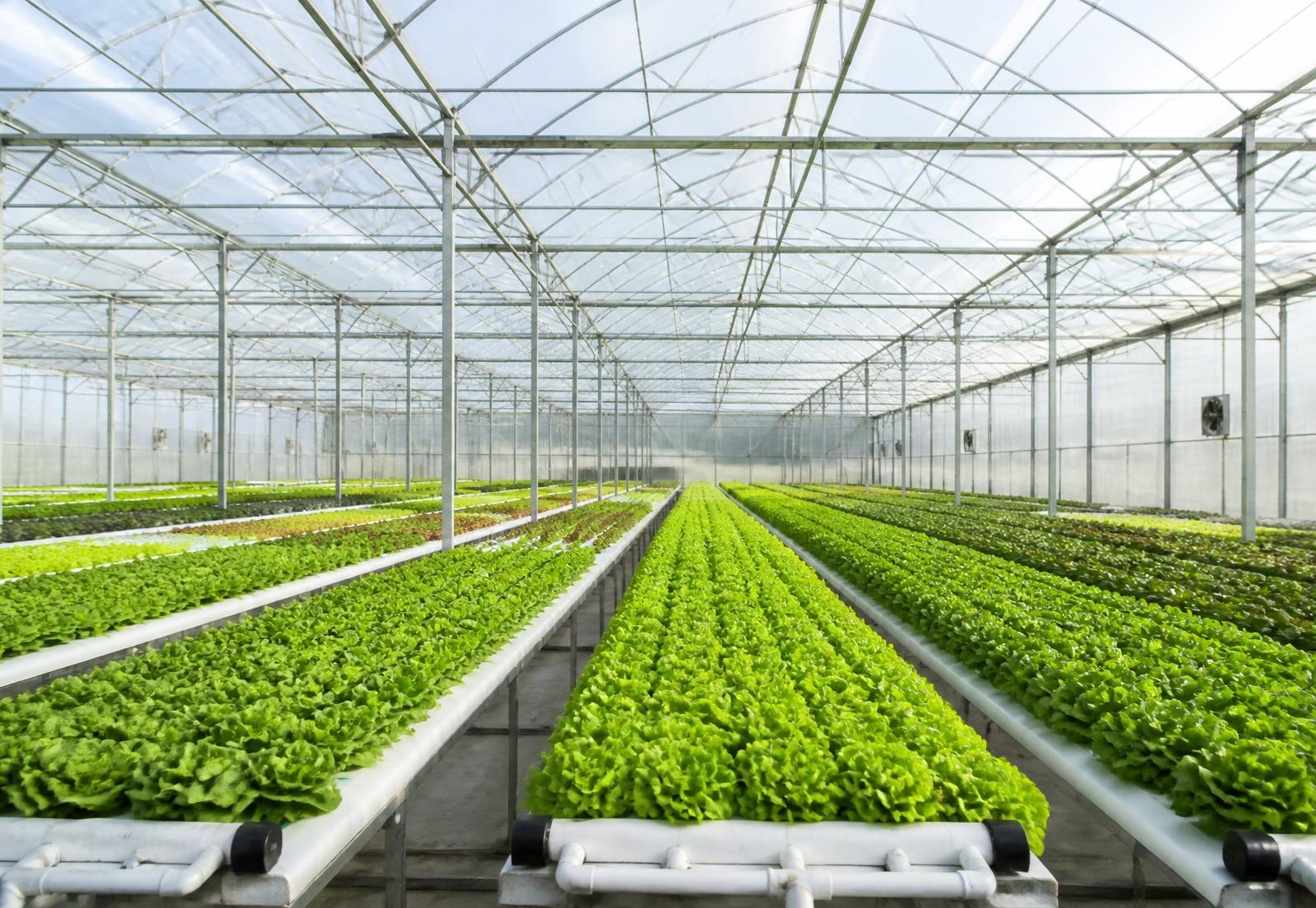
Greenhouses & controlled agriculture
Structured, repeatable environments for perception and targeting work.
Vegetable & specialty crops
High-value crops where selective treatment matters most.
Weed management
Recognition and treatment of unwanted vegetation between crop rows.
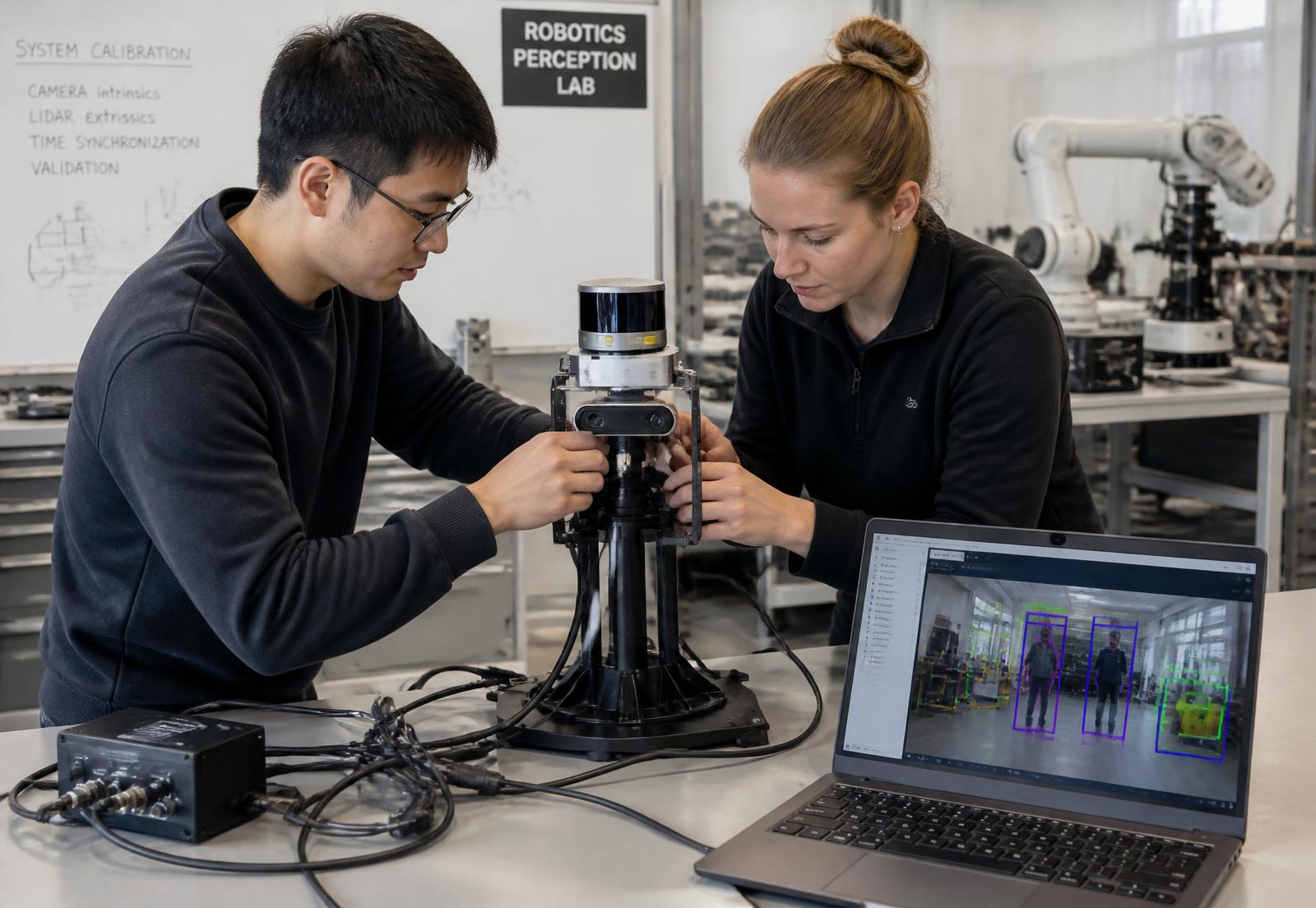
Research environments
Collaboration on datasets, model performance and field trials.
FAQ