Technology
AI-poweredcropprotection.
A perception, decision and treatment stack engineered for one job: identify agricultural targets accurately, then treat only those targets.
Domains
Thestack,modulebymodule.
AI & Machine Learning
Models are trained around agricultural recognition problems: plant species that look alike, changing light, overlapping leaves and soil that never looks the same twice.
Computer Vision
Camera imagery is turned into structured decisions — detection, classification and segmentation of crops, weeds and relevant agricultural targets.
Sensor Fusion
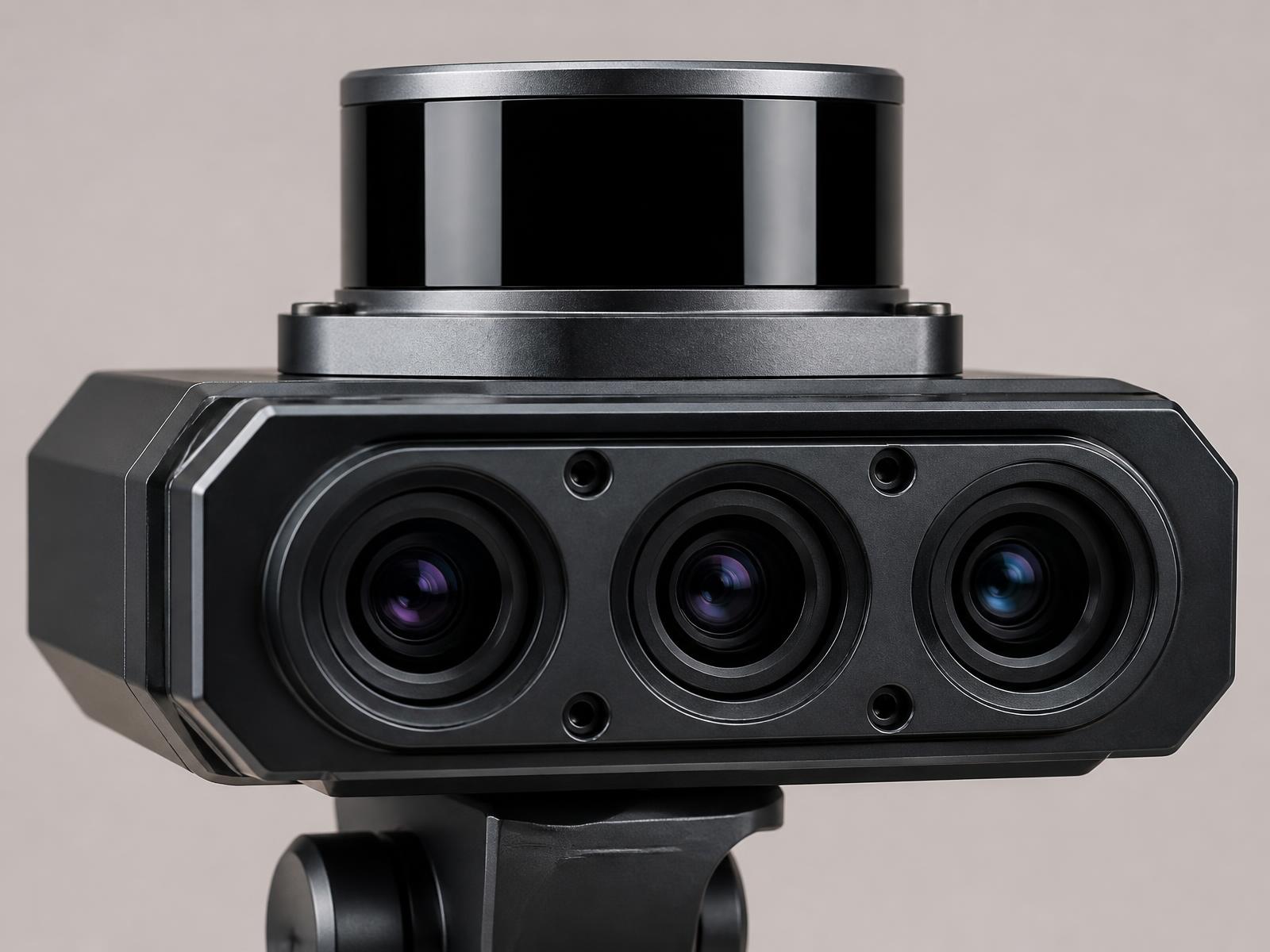
Visual, depth, thermal or other sensor inputs are combined into a single perception picture when supported by the system configuration.
Precision Targeting
Each recognised target is resolved into a treatment coordinate, with the surrounding crop explicitly excluded from the solution.
Laser Technology
Treatment is delivered as focused energy to the calculated point rather than as a chemical application across the area.
Robotic Platform
An autonomous agricultural platform carries perception, compute and treatment hardware through the field.
Edge Computing
Inference runs close to the sensors so decisions keep pace with the machine, without depending on remote connectivity.
Field Intelligence
Field data feeds back into model refinement, so recognition performance improves with exposure to real conditions.
How it works
Seetheweed.Targettheweed.Protecteverythingelse.
Four stages run in a continuous loop, many times per second, as the platform moves through the field.
- 01
See
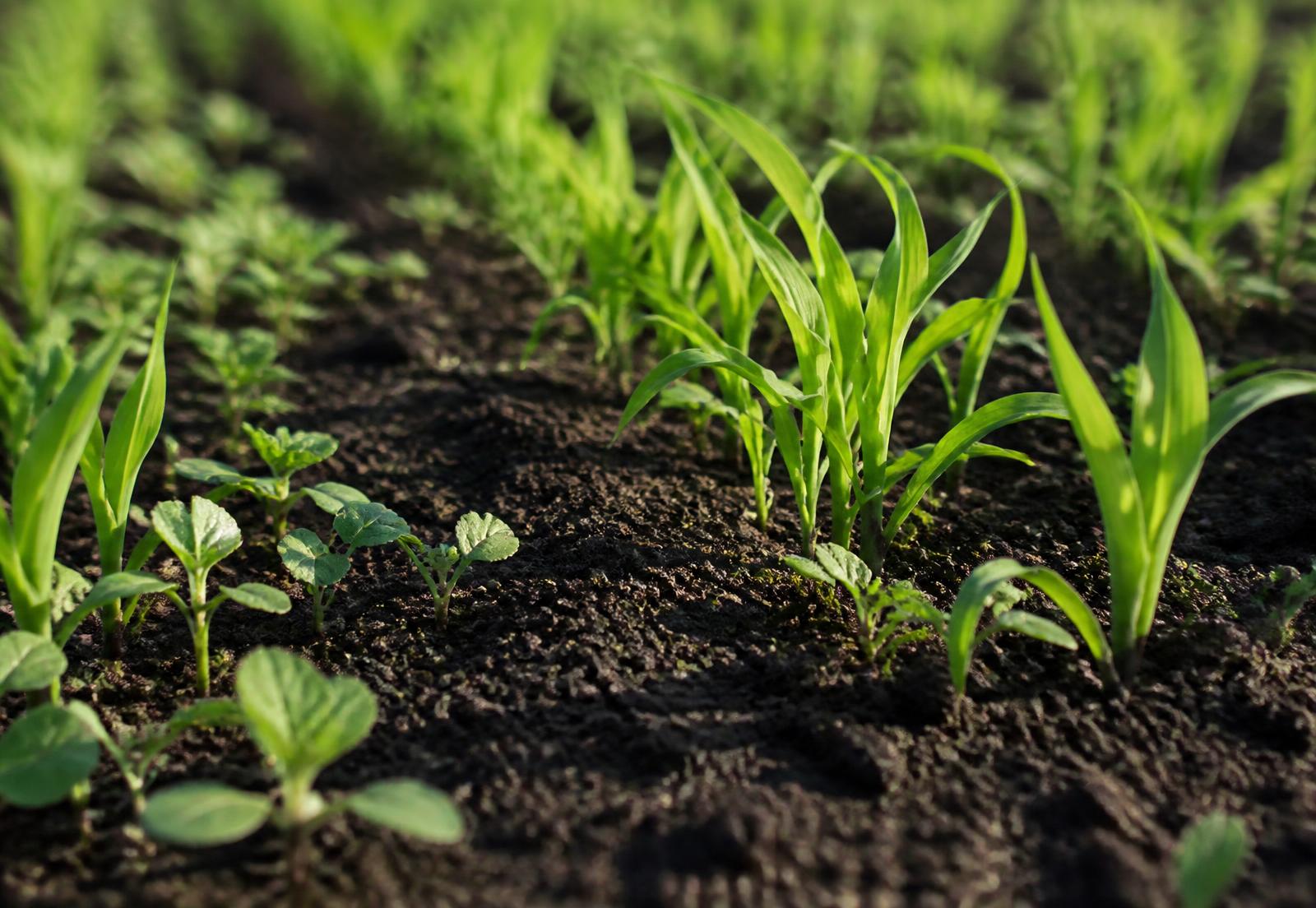
Computer vision scans the agricultural environment continuously as the platform moves through the field.
- 02
Understand
Machine learning distinguishes crops, weeds and other agricultural targets frame by frame.
- 03
Target
Precision targeting calculates the correct treatment point for each recognised target.
- 04
Treat
Precision laser energy is delivered to the selected target while surrounding vegetation remains untouched.
System architecture
Insidetheintelligenceloop.
Each module hands a more specific decision to the next, until only a single target coordinate remains.
- 01
Field
Crop rows, soil, light
- 02
Sensors
Cameras, depth, environment
- 03
AI
On-board inference
- 04
Recognition
Crop vs. weed
- 05
Targeting
Treatment coordinate
- 06
Treatment
Precision laser
AI vision
Whatthemachinesees.
Toggle the perception layer to view classification, confidence and target coordinates on a real crop scene.
Illustrative visualisation of the perception concept. Detection output varies with crop, weed species, lighting and field conditions.
Sensing & intelligence
It doesn’t just look.
It understands.
- 01
Visual sensing
- 02
Depth perception
- 03
Environment analysis
- 04
Object recognition
- 05
AI processing
- 06
Target calculation
Core technology
Anengineeringstackbuiltaroundonedecision:treat,ordon’t.
AI Model Training
Custom machine-learning models trained around agricultural recognition challenges.
Computer Vision
Real-time visual identification of crops, weeds and relevant agricultural targets.
Object Detection
Selective recognition designed to distinguish wanted vegetation from unwanted targets.
Edge Intelligence
Fast processing close to the agricultural environment.
Precision Laser Control
Focused treatment of specific targets instead of blanket application.
Multi-Sensor Fusion
Combining visual, depth, thermal or other sensor inputs when supported by the system.
Safety & control philosophy
Precisionisasafetyproperty.
A system that treats less area is a system that has to be certain about more decisions. Control logic is built around confirming a target before any treatment is issued.
- 01Recognition first: no treatment is issued without a classified target.
- 02Crop preservation is an explicit constraint, not a side effect.
- 03Operation is designed around supervised deployment with clear operator control.
- 04Specifications, safety measures and performance are confirmed per deployment rather than generalised.